
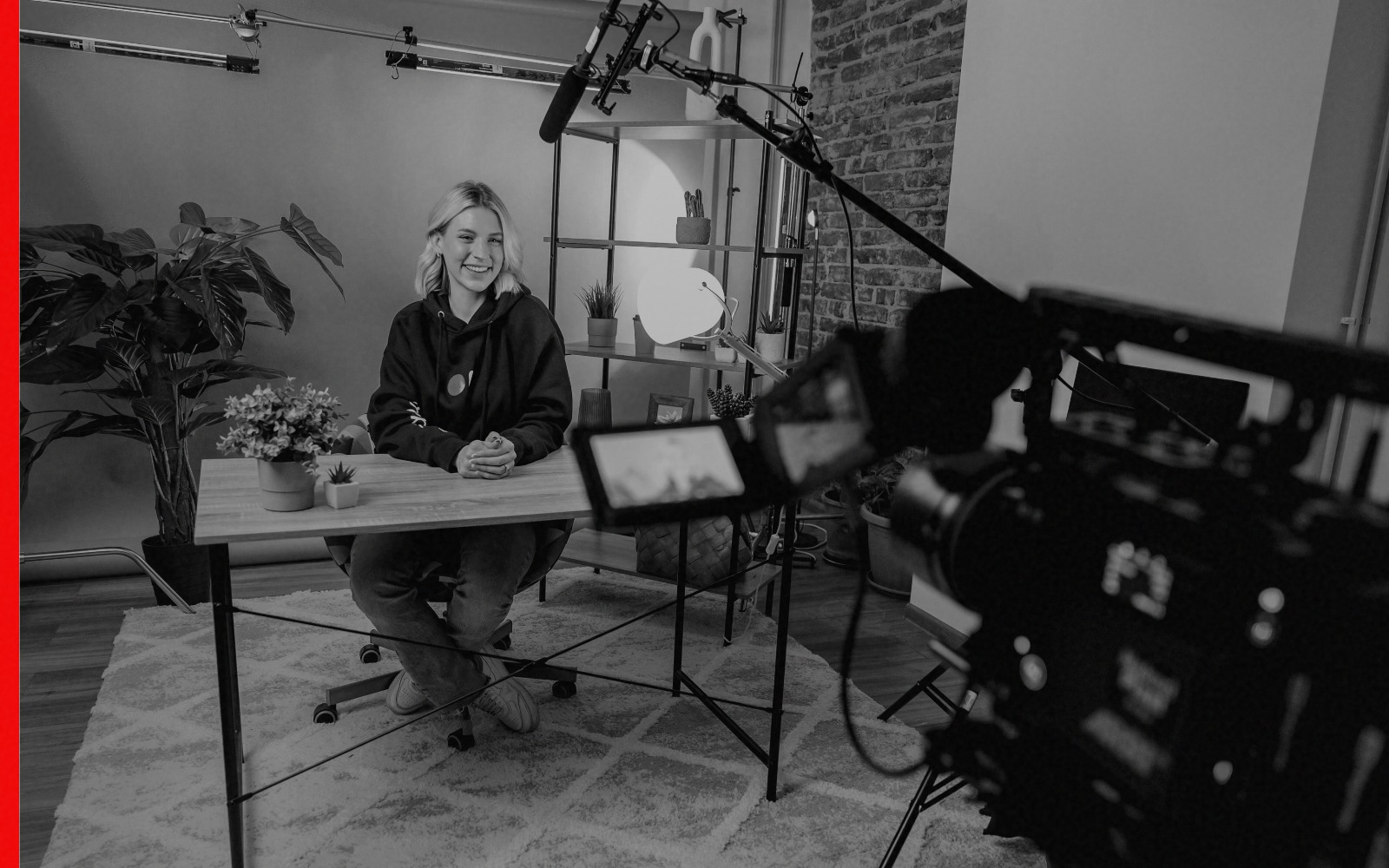
Some creators treat disclosure like it ruins the ad.
Bad content ruins the ad. A clear disclosure reduces legal risk and lets the work stand on its own.
The FTC says people should be able to understand any material connection between the creator and the brand.
Material connection means more than cash
Payment counts. Free product counts. Discounts can count. Affiliate commission counts. A family or employment relationship can count. If the relationship would affect how a viewer evaluates the recommendation, disclose it.
Do not bury it
A disclosure should be hard to miss. Not hidden after a long caption. Not mixed into a block of hashtags. Not written as a brand-safe wink like ‘thanks to my friends at.’
Use plain words: ad, sponsored, paid partnership, gifted, affiliate link. The exact format depends on the platform and deal, but clarity is the point.
Clear disclosure makes the content less suspicious without weakening persuasion.
The creative part still matters
The best sponsored content states the relationship and gets to the buyer’s problem quickly.
Open with the reason the product matters. Show the product in use. Answer the obvious objection. Put the disclosure where people can see it, then make the video good enough that nobody cares.
A practical disclosure checklist
- Would a normal viewer understand the brand relationship?
- Is the disclosure visible before or near the endorsement?
- Does the video itself need visual or audio disclosure?
- Are affiliate links labeled?
- Is gifted product labeled when it affects the recommendation?
This is a creator-business habit, not legal advice. The more paid work you do, the more valuable clean habits become.
Sources
A lot of creators treat disclosure like it ruins the magic.
It does not. Bad disclosure ruins the trust. A buried hashtag, vague “thanks to,” or tiny note after seven lines of caption makes paid content feel cheaper than a clean “ad” ever would.
For UGC creators, disclosure reduces risk and signals professionalism. Brands want creators who know how to make sponsored content look professional, not sneaky.
The relationship has to be clear
The FTC’s influencer guidance is built around a simple idea: if there is a material connection between the creator and the brand that viewers would not expect, it should be disclosed clearly. That can include money, free product, discounts, gifts, employment, family relationships, or other incentives.
The exact context matters, and viewers should be able to understand the relationship.
Plain language wins
Use words people understand: ad, sponsored, paid partnership, gifted by, thanks to [brand] for sending this product. The clearer the relationship, the less awkward the content feels.
Vague language is where creators get into trouble. “Collab,” “ambassador,” “partner,” or a tag without context may not tell the viewer what actually happened. The viewer should not need to decode the business arrangement.
Placement matters
A disclosure should be hard to miss. If it is buried at the end of a caption, hidden in a cloud of hashtags, or placed where viewers have to click “more” to see it, it may not do its job.
Put the disclosure where the viewer encounters it naturally. In a caption, that usually means early. In a video, it may mean on-screen and in the spoken or captioned context when the endorsement happens. Platform tools can help, but creators should not assume the tool alone solves every situation.
Gifted product still counts
Some creators think disclosure only matters if money changes hands. Free product can still be a material connection. If the brand sent the product and that relationship could affect how viewers interpret the content, say so.
This does not have to be heavy. “Gifted by [brand]” is cleaner than pretending the package just appeared in your bathroom routine by coincidence.
Why hiding the ad makes content look worse
Viewers can notice when a post is sponsored before the creator says so. When the disclosure is late or vague, the whole video starts to feel evasive.
A clean disclosure lets the content move on. The viewer knows the relationship. Now the creator can focus on whether the product is useful, how it works, what problem it solves, and who it is for.

Brands should care too
A creator publishing the content does not remove the advertiser’s responsibilities. Advertisers and intermediaries can have responsibilities around endorsements and influencer programs. Serious brands do not want a creator pool full of people who hide sponsorships.
For Creator Business Daily, this is part of quality control. If the Brand Deals page attracts creators, disclosure habits should eventually be part of what separates professional creators from risky ones.
A better sponsored-content structure
Start with the disclosure, then get specific fast.
“Ad. I tested [product] for [use case], and the thing I wanted to know was whether it solved [problem].”
That opening sounds honest and gives the creator a real editorial angle.
Common mistakes
- Putting #ad at the end of a long caption.
- Using only vague tags like #partner or #collab.
- Disclosing in a disappearing Story frame but not the main post.
- Failing to disclose gifted product.
- Relying on platform labels while the rest of the content implies the review was fully organic.
- Letting the brand write a caption that buries the relationship.
The creator-friendly rule
If you would feel weird explaining the brand relationship to a viewer after they bought the product, disclose it earlier and more plainly.
Use this as a practical trust test, not a legal test. Creators who pass it make sponsored content feel more expensive because the whole thing feels cleaner.
What to put in your deal process
Add disclosure to the brief review. Before filming, confirm how the relationship should be disclosed, whether the brand requires platform branded content tools, and whether any claims need special wording.
Do not wait until posting day. Posting day is when everyone is rushed and the caption gets sloppy.
Disclosure questions
Is #ad enough?
It can be clear when placed prominently, but the safer habit is to use plain, hard-to-miss disclosure that fits the platform and appears before viewers are misled.
Do creators need to disclose free product?
Often yes. If the product was provided by the brand and that relationship is not obvious, disclose it clearly.
Does disclosure hurt performance?
Good content still works with disclosure. Weak content often blames disclosure when the real problem is the hook, offer, or product explanation.
Creators who want serious brand opportunities should bring clean disclosure habits when they submit through the Brand Deals page.
Disclosure should be part of the creative, not pasted on later
The best sponsored posts build disclosure into the creative. The creator says the relationship clearly, then earns attention with the actual angle: the product test, the routine, the mistake, the comparison, the problem that made the product relevant.
Disclosure cannot rescue weak content, but it does not make useful content boring.
Creators should protect their own audience trust
A brand may care about one campaign. The creator has to live with the audience afterward. If the post feels hidden, vague, or too salesy, the trust cost sits with the creator. That is why creators should be willing to push for clearer wording even when the brand sends a softer caption.
A durable creator business depends on paid work that remains useful after the relationship is disclosed.
What this means for CBD’s Brand Deals pool
If Creator Business Daily eventually routes creators into brand campaigns, disclosure literacy will be part of brand safety. The creator who understands disclosure is less likely to create an avoidable problem for the brand, the publication, or the future Soontra deal pipeline.
A clean disclosure can make the brand look better
There is a reason strong publications and serious creators do not hide sponsorships in tiny type. Clear labeling makes the work feel more legitimate. The viewer understands the relationship and can judge the recommendation on its merits.
For UGC creators, the goal is paid content that remains persuasive after viewers know it is sponsored.
Strong creators can use the word ad without weakening the work.
That is the standard serious brand partners should expect.
Use clear labels, place them early, and do not pretend.
Clean disclosure also makes repurposing easier because the brand and creator build future paid media on a clear relationship.